


Updated October 23, 2026
Refreshed winter-maintenance and holiday-decorating reminders, with official safety resources.
Growing up, my family welcomed the holidays with a Christmas tree, a train around it, stockings and lights on the house. Decorating is the fun part. Checking the house before winter deserves a place on the list, too.
Before you start pulling boxes out of storage, take a little time for the heating, alarms and outdoor maintenance. These are useful checks whether you're staying put, heading away or getting ready to sell your Long Island home.
Start with heating and alarms
Arrange a professional inspection and cleaning of heating equipment and chimneys each year. Keep decorations and other combustible items away from heat sources. The U.S. Fire Administration's heating guidance is a useful starting point.
- Smoke alarms: Test monthly. USFA recommends alarms inside bedrooms, outside separate sleeping areas and on every level, including the basement. Follow your model's battery and replacement instructions, including for sealed-battery units. See smoke-alarm guidance.
- Carbon-monoxide alarms: USFA recommends them outside separate sleeping areas and on every level. Test and maintain them according to the manufacturer's instructions. See carbon-monoxide safety guidance.
Handle outdoor maintenance before freezing weather
Disconnect and drain garden hoses. Arrange the appropriate shutoff and draining of exterior water lines, and have your sprinkler system winterized correctly. If you're unsure about the equipment or procedure, use a qualified irrigation professional rather than experimenting with a rented compressor.
The Suffolk County Water Authority's pipe-protection checklist explains the outdoor preparations. For exposed plumbing, vacant homes and warning signs, see my Long Island frozen-pipe guide.
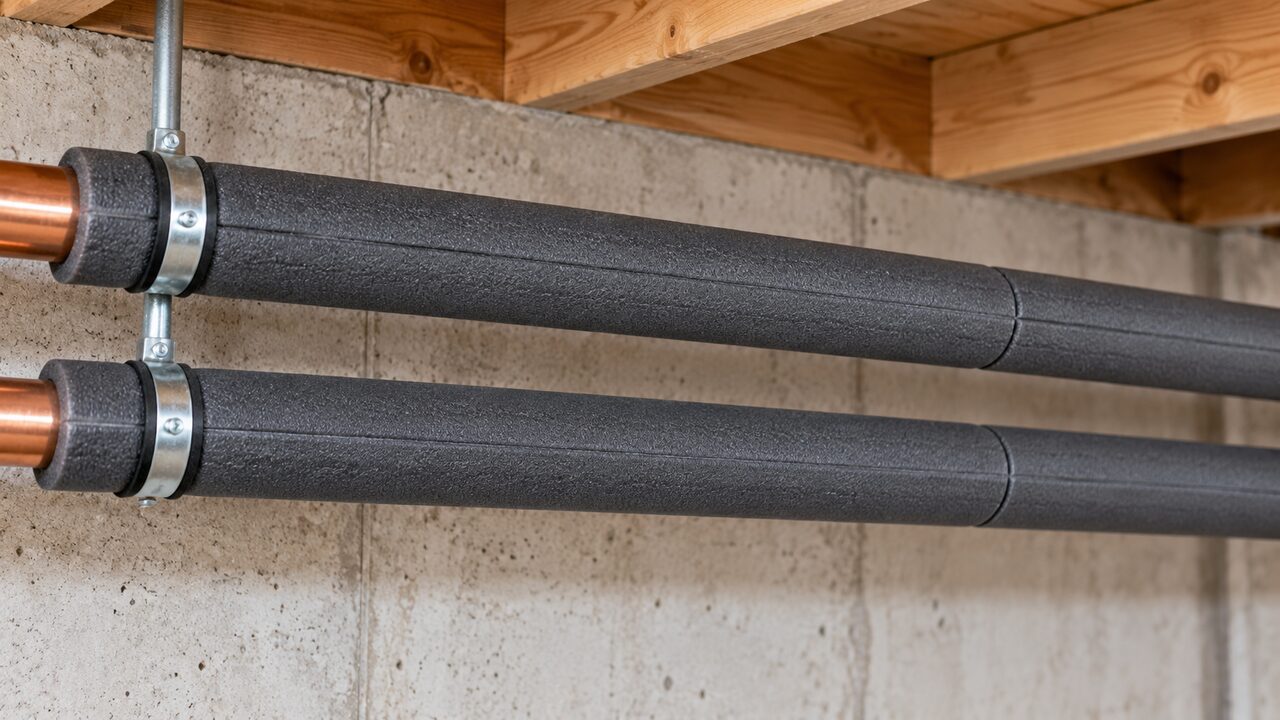
Have gutters and downspouts checked and cleared where needed. Keep steps, paths and entrances clear. Use a professional for roof work or tasks you cannot do safely.
Decorate without blocking safety
- Inspect light strands before hanging them and replace damaged or frayed ones.
- Follow the manufacturer's limit on connected strands. There is no single strand-count rule for every product.
- Use lights and cords rated for their location. Outdoor lights should have ground-fault circuit-interrupter (GFCI) protection. Ask an electrician if you're unsure about the outlet.
- Water a real Christmas tree daily, keep it at least three feet from heat sources and remove it when it dries out.
- Keep trees, decorations and extension cords out of exits and walking routes. Consider flameless candles.
Read USFA's holiday safety guide and CPSC's outdoor-lighting precautions for more detail. Follow product instructions rather than reusing an old rule of thumb.
Before bed or before leaving
Turn off holiday lights and extinguish candles. Check that heat sources and exits remain clear. If you're going away, arrange someone reliable to check the house and review your winter-maintenance plan.
Enjoy the decorating, but don't rush the jobs that keep the house safe. If a holiday move is on your mind, my holiday buying and selling guide can help you plan the next step.
Planning a move this season?
John Cordeira, Broker/Owner, Cordeira Homes