


Updated October 23, 2026
Refreshed with practical winter preparation and safety guidance for Long Island homeowners.
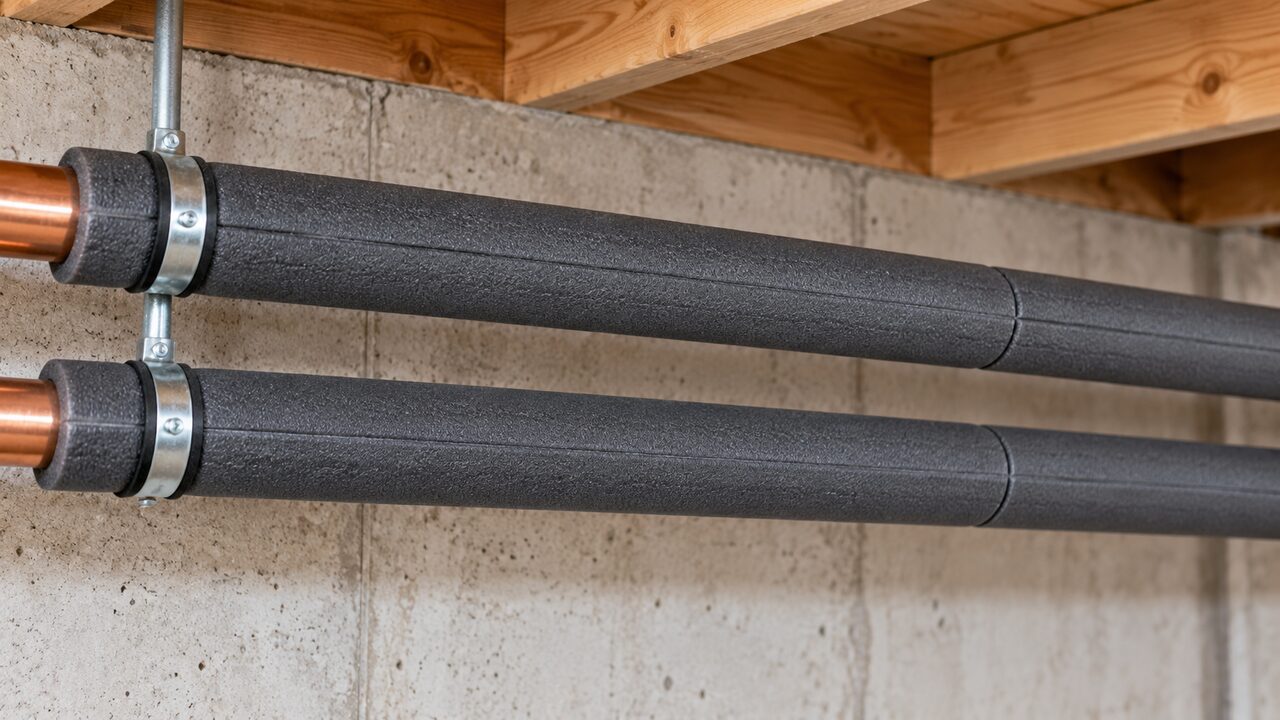
Frozen pipes can leave you without water and cause serious damage if a pipe breaks. For Long Island homeowners, it's worth checking the vulnerable spots before the next cold snap.
Whether you're living in the house, heading away, or getting ready to sell, here's where to start.
Before freezing weather arrives
Find your main water shutoff. Make sure you know which valve controls the water coming into the house and can reach it without moving a basement's worth of storage. If you're unsure, have a plumber identify it.
Check the cold areas. Look for exposed pipes in unheated basements, crawl spaces, and garages. Insulate vulnerable lines and repair broken windows or drafts near the plumbing. A finished room feeling warm doesn't tell you what's happening around pipes elsewhere in the house.
Take care of outdoor water lines. Disconnect and drain garden hoses. Where there's a separate indoor shutoff for an outdoor faucet, close it and drain the exterior line. Have the irrigation system properly winterized, too.
These basics are covered in Suffolk County Water Authority's winter checklist and municipal pipe-preparation guidance.
During a cold snap
Keep your thermostat steady rather than lowering it overnight. If plumbing runs through the garage, keep the garage door closed.
Open cabinets beneath kitchen and bathroom sinks so warmer room air can reach the pipes. Move cleaners and other hazardous products out of reach of children and pets first.
For faucets supplied by exposed, vulnerable pipes, the American Red Cross recommends allowing cold water to drip during very cold weather, along with the precautions above. Make sure the drain is clear.
If the same pipe freezes repeatedly, have a plumber assess the cause instead of dealing with it again every winter.
Going away or leaving the house vacant?
Don't simply turn the heat off when you leave.
The Red Cross recommends keeping the heat set no lower than 55 degrees F during a cold-weather absence. That is a general minimum, not a guarantee against freezing. Arrange for someone to check that the heating system is actually working.
For a seasonal house being closed for winter, talk with your plumber and water provider about proper winterization. SCWA advises shutting off the water and draining the plumbing and sprinkler systems at seasonal properties. Have the plan tailored to your home's systems rather than treating it as a quick do-it-yourself shutoff.
What to do if a pipe freezes
Little or no water from a faucet during freezing weather can point to a frozen line. Check other faucets to see whether the problem is isolated. If the whole house has lost water, contact your water provider; a service interruption is another possibility.
Look for leaks before trying to thaw anything. If you see leaking water or suspect a burst pipe, skip to the next section.
For an accessible pipe with no signs of leakage, leave the affected faucet open and gently warm the frozen section with warm towels. Never use a torch, propane heater, or any open flame. Don't use a hair dryer, heating pad, or other electrical device where a pipe is leaking or water is on the floor. These precautions follow municipal frozen-pipe safety guidance.
If you can't locate or safely reach the frozen section, or water flow doesn't return, call a licensed plumber.
If a pipe bursts
Shut off the main water supply if you can reach the valve safely, then call a plumber. Keep it off until the damaged plumbing has been addressed. Burst-pipe response guidance
Keep everyone away from wet electrical equipment and flooded areas. Never step into standing water to reach a breaker panel, and never operate electrical tools while standing in water. If power can't be shut off from a dry, safe location, have an electrician handle it. Once the immediate hazards are under control, arrange for water removal and drying. See the CDC's electrical and water-damage safety guidance.
Take photos from a safe location and keep repair records.
Planning to sell?
If you're moving out before your Long Island home sells, include winter care in the plan. Decide who will check the house and who to call if the heat stops working.
Have questions about getting your home ready to sell? Contact me anytime.
John Cordeira
Broker/Owner, Cordeira Homes