


Updated October 23, 2026
A practical photo-day checklist for Long Island home sellers.
Your listing photos often introduce your house before a buyer ever walks through the door. They should show the space clearly, look inviting and give an honest picture of what someone will see in person.
I coordinate professional photography as part of preparing my listings. We'll talk through the timing and what needs attention before photo day, so you're not trying to get everything done as the photographer arrives.
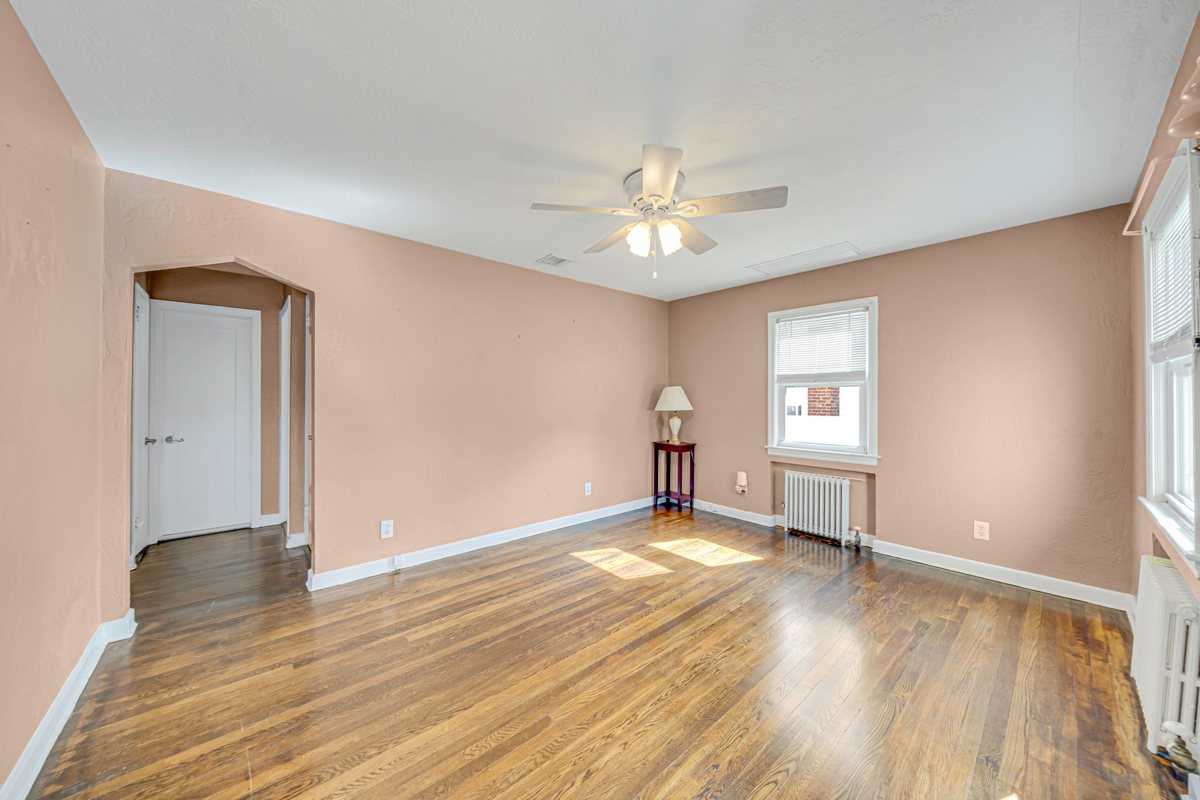
Start with cleaning and clearing, not a shopping trip
You don't need to buy a houseful of furniture to prepare for photos. Start by cleaning surfaces, reducing visual clutter and making it easy to see the rooms. Ask me before spending money on a project solely for the photo shoot.
Work through the whole house rather than moving everything into the next room. Keep a few bins ready for everyday items you need to put away shortly before the appointment.
Inside: the photo-day checklist
- Make the beds and straighten pillows, bedding and towels.
- Clear kitchen counters of excess appliances, dishes and packaging. Empty the sink.
- Remove papers, magnets and photos from the refrigerator.
- Put away toiletries, shower bottles, cleaning products and wastebaskets. Close toilet lids.
- Clean mirrors and glass. Open window coverings where appropriate; let the photographer adjust them for the light.
- Check bulbs, turn on the requested lights and turn off televisions and other screens.
- Clear walkways, tidy visible cords and move small items that interrupt the view of the room.
- Remove personal documents, medications, valuables and photographs you don't want published online.
- Discuss furniture placement with your agent rather than making a room impractical just for a photo.
Outside: show the house, not the distractions
- Move vehicles out of the driveway and away from the front of the house when practical.
- Put away bins, hoses, tools and toys. Close garage doors.
- Tidy the lawn and planting beds for the season; clear fallen leaves, snow or ice as needed.
- Clean the entry and arrange outdoor furniture neatly.
- Keep steps and paths accessible. Don't take on roof, ladder or electrical work just to get a photo.
When the photographer arrives
Have pets safely secured and plan for people to stay out of the rooms being photographed. Leave time for the photographer to work through the house without interruptions.
Weather, lighting and the property itself may affect the plan. Some homes benefit from aerial images or a video tour; those choices should help explain the property, not distract from it. Here's a property video example from my earlier work.
Good photos still need to be accurate
Present the house at its best without hiding permanent features or condition issues. If virtual staging is used, it should be clearly identified and handled under the applicable listing rules. Buyers should understand what is real and what has been added digitally.
Professional photos don't guarantee a particular price or sale time. They are one part of a sensible plan that also includes preparation, pricing, marketing and access for showings.
For more preparation ideas, see getting your house ready to sell. If you're unsure what to tackle first, let's walk through it together.